

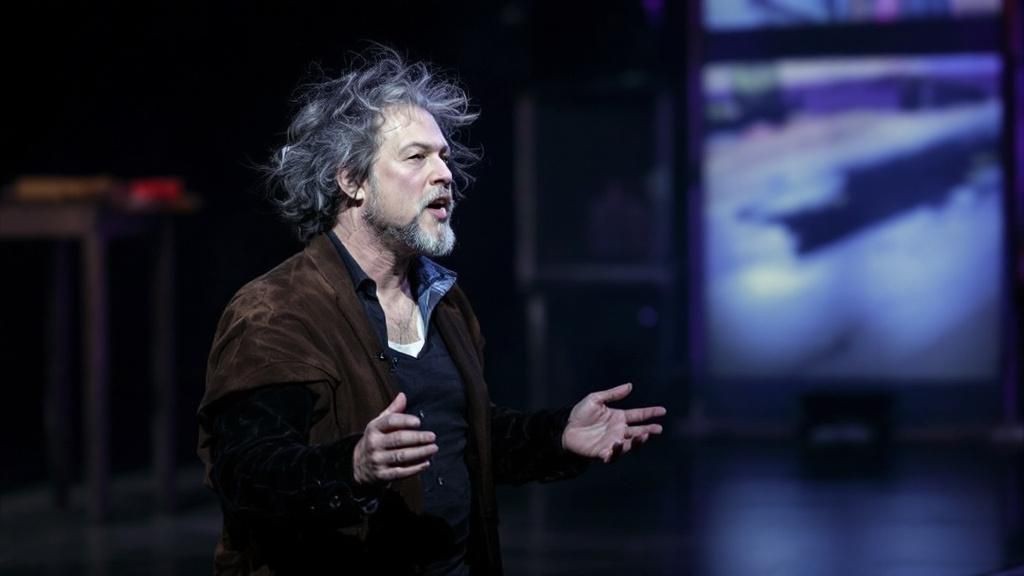
The National Theatre has unveiled an extensive programme intended to expand engagement with classical drama across the United Kingdom. This groundbreaking initiative aims to bring internationally acclaimed stage productions to audiences far beyond London’s West End, making certain that audiences in provincial and neglected regions can experience Shakespeare, Chekhov, and current renderings of classic works. Through creative touring programmes, virtual mediums, and strategic alliances, the theatre is substantially altering how Britain relates to dramatic literature, rendering excellent productions an entitlement rather than a privilege.
Opening Up Access to World-Class Theatre to Outstanding Theatre
The National Theatre’s programme constitutes a fundamental change in how classical drama engages audiences across the Britain. By overcoming location-based obstacles and financial constraints, the programme ensures that communities in countryside regions and economically disadvantaged areas can enjoy performances previously reserved for London’s premier institutions. This commitment to inclusivity reflects a basic principle that theatrical excellence should not be dependent on location or financial means, but rather shared fairly across all people regardless of their circumstances.
Through collaborative alliances with regional theatres, educational institutions, and community arts groups, the National Theatre is establishing long-term routes for interaction with classical works. The programme includes productions on tour, subsidised ticket schemes, and locally-driven versions that foster local engagement and cultural stewardship. By fostering these collaborative relationships, the theatre moves away from a single London-based organisation into a dispersed system of cultural achievement, ensuring that the transformative power of dramatic art becomes truly available to audiences nationwide.
Digital Innovation and Local Collaborations
The National Theatre’s strategy relies on cutting-edge digital technology to extend its reach nationwide. By utilising streaming services and virtual performances, the institution enables simultaneous access to theatrical works for audiences unable to attend in-person. This technical systems makes culture more accessible, letting people from Cornwall to the Scottish Highlands to enjoy high-quality theatre from home. The initiative also includes interactive digital resources, educational materials, and behind-the-scenes content, enhancing audience engagement beyond conventional live theatre and encouraging greater involvement with traditional theatrical works.
Equally important are the collaborative relationships established with regional theatres, council bodies, and community organisations throughout the United Kingdom. These collaborations guarantee productions connect with audiences from different backgrounds whilst supporting grassroots cultural infrastructure. The National Theatre offers financial support, specialist knowledge, and creative guidance to partner venues, building lasting cultural environments in regions with limited provision. By collaborating with local institutions rather than enforcing centralised approaches, the initiative acknowledges regional identities whilst maintaining artistic standards. This collaborative framework changes classical drama into a truly national undertaking, rooting theatrical culture in local areas and creating lasting cultural legacies.
Effects and Forward-Looking Strategy
The initiative’s impact goes well past simple attendance numbers, fundamentally transforming cultural involvement across the nation. Regional theatre venues reveal unparalleled levels of engagement, with theatre-goers discovering newfound appreciation for classical works previously deemed out of reach. Communities that historically lacked performance venues now experience theatrical productions, educational workshops, and insider perspectives. This broadening of access cultivates a more inclusive arts environment, motivating younger generations to engage with stage drama as a key element of their learning and social growth.
Looking ahead, the National Theatre projects sustained expansion of this innovative initiative throughout the following decade. Planned capital allocation in online platforms promise to expand reach, facilitating live streaming and immediate viewing to filmed shows. Working relationships with schools and universities will integrate traditional theatre within classroom teaching, fostering sustained enthusiasm for drama and theatre. The programme represents a watershed moment, setting the principle that outstanding theatre productions represent a fundamental cultural right rather than an exclusive London-based privilege.
As this innovative project continues evolving, its success ultimately depends upon sustained funding, audience involvement, and joint ventures. The National Theatre continues to be focused on assessing outcomes through public response, attendance metrics, and learning results, guaranteeing responsibility and sustained enhancement. This groundbreaking programme represents a profound shift in British society’s cultural outlook, demonstrating that classical drama is for everyone.
